The Basics and then some...I studied history in general, floating between early American courses and the ancient world of Greece and Rome. Historians are natural storytellers and I was fortunate enough to study under Dr. Diane Harris and Dr. Victor D. Hanson. The first introduced me to my first real love in the ancient world: Alexander the Great. The later sealed my Masters thesis on Alexander's use of clothing as a political tool, as well as a rough and brutal version of "multi-culturalism" (the buzzword in the 1990s). While studying ATG, I came across a story that Plutarch told: that Alexander slept with a copy of the Iliad beneath his pillow. I thought it odd that someone like Alexander would do something like that. So, I began reading Homer and never looked back. That was well over twenty years ago.
The Homeric Chronicles series is dedicated to merging dozens of Greek myths, including Homer’s epics, with plays, history, and archaeology. I wanted to tell a story that captured the heroines’ voices equally alongside the heroes. I wanted to tell a story that connected the pieces of other stories together in an epic chronological saga. I wanted it to be graphic and passionate, brutal and beautiful, tragic, and hopeful. I never intended to create a feminist version of the Trojan War era stories...I believe women can define themselves without being told how we are to tell "our" stories, or "their" stories. The beauty of our femininity (cis, transgender, all of us) is that we have the freedom to tell the stories we want to tell, the way we want to tell them. And we are truly fierce wonders to behold in any era, this is fact not opinion. Also, I loved reading romance and historical novels as I was growing up. I wanted to be a writer ever since I can remember. But, I was told that wasn't practical by grown-ups, with the exception of one Freshman English teacher. She told me I should consider writing as a career. I did the "right thing" and went to school and "got an education" and then "got a job." But, it was always telling and writing stories that I was passionate about. Now, as I am getting older, I can finally follow my life-long passion. I don't know where you are Mrs. Reisenbichler from Concordia Junior High, but I am finally writing now. Thank you for saying that to me forty years ago. |
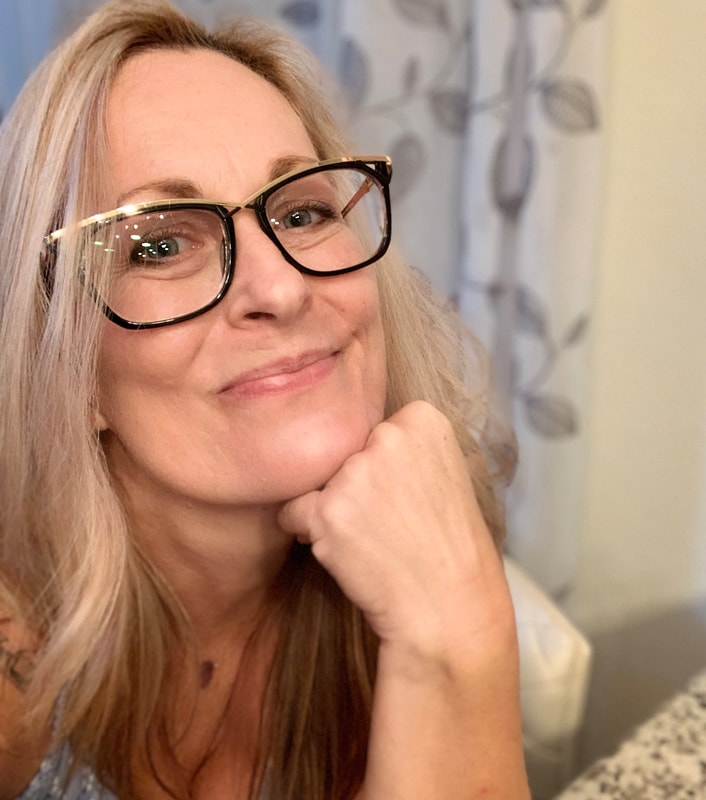
Never underestimate the power of your words on young people... don't tell them they can't or shouldn't or won't become who they hope to be. Be a step for them to climb higher, not a stumbling block.
|